How much RAM does a Raspberry Pi actually need?
Raspberry Pi boards have helped hobbyists get computing projects started for very little money down. However, knowing how much memory is needed can be tricky.
Nenhum outro meio seguido pelo Zonactu publicou ainda esta notícia.
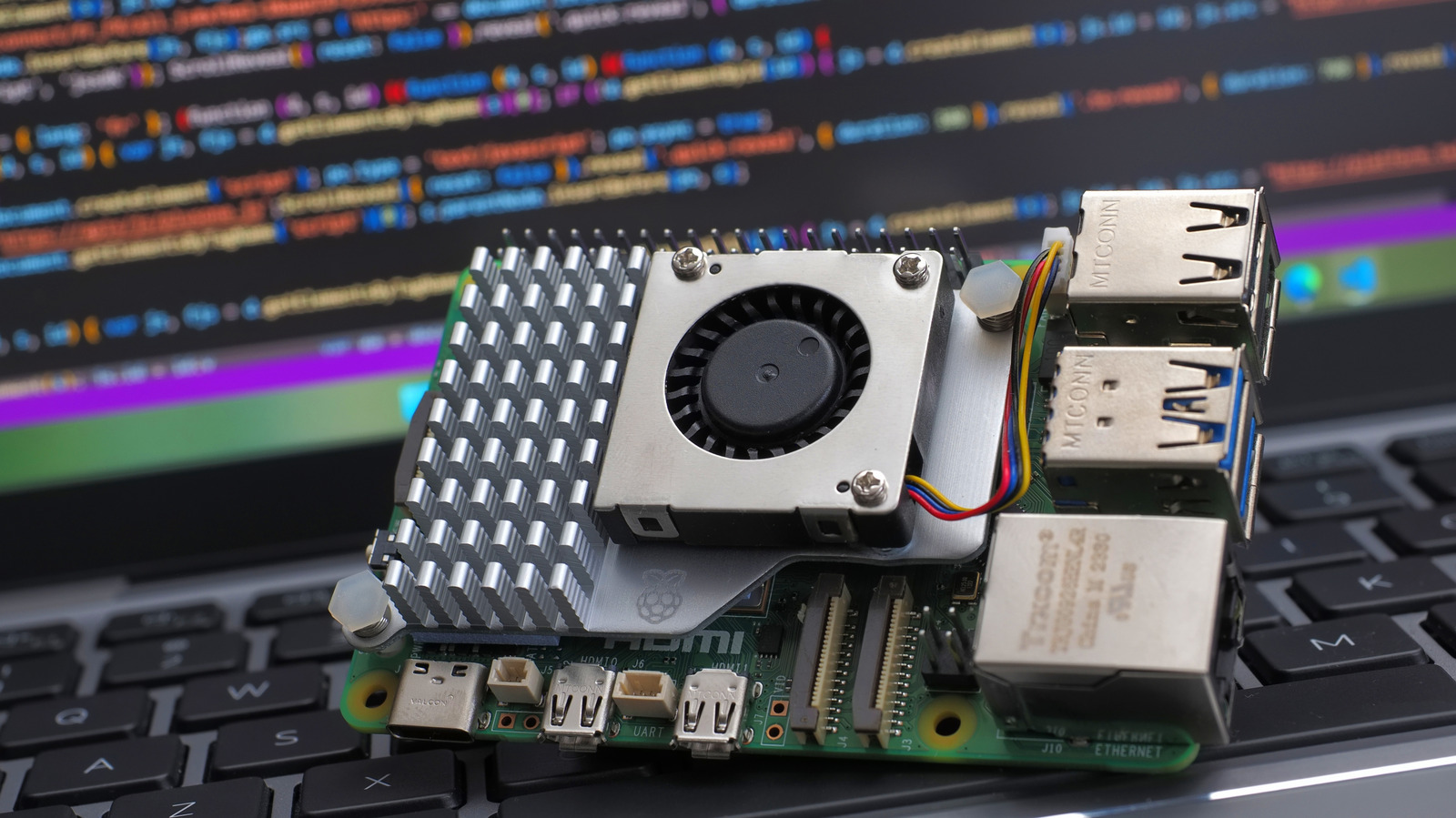
Unless you need the Raspberry Pi's compact form factor for a particular project, like a battery-powered robot, it's not recommended paying the premium for an 8GB or 16GB model.
The Raspberry Pi's greatest advantage is its affordable price tag. Even with competition in the single-board computer space ramping up over the past decade, the Pi 5's $45 starting price is still a bargain. The same cannot be said for the 8GB or 16GB models. At $175 and $305 respectively, though, you're paying a sizable premium for memory alone.
This isn't exactly a secret — you could buy the 8GB Raspberry Pi for just $80 when it launched in 2023. However, the ongoing RAM shortage forced the company to raise its prices across the board in 2025.
Rising component costs have affected all hardware manufacturers, but larger brands enjoy more negotiating leverage through bulk deals. Case in point: you can find a plethora of mini PCs with 8GB of RAM in the sub-$200 price range. These boast far more powerful CPUs, onboard storage and extra ports like dual-Ethernet and multiple display outputs.
I personally moved on from the Raspberry Pi years ago when I discovered that secondary markets like eBay are flooded with refurbished business-grade mini PCs. Some examples include the Lenovo ThinkCentre and HP EliteDesk lines. Even though these units typically feature older CPUs, they run circles around the Raspberry Pi 5. The only downside to mini PCs is that they consume more power, so the Pi is more efficient for round-the-clock use. Even then, the difference boils down to just a few dollars over the course of a year.
But if you're not trying to build a media server and just need a Pi for the occasional project, choose the 1GB or 2GB model and call it a day.