Why you shouldn't leave an extension cord plugged in all the time
An extension cord may seem like a permanent solution to a problem, but they aren't designed for long-term use, so leaving them plugged in can have consequences.
Nog geen ander medium dat Zonactu volgt, meldt dit bericht.
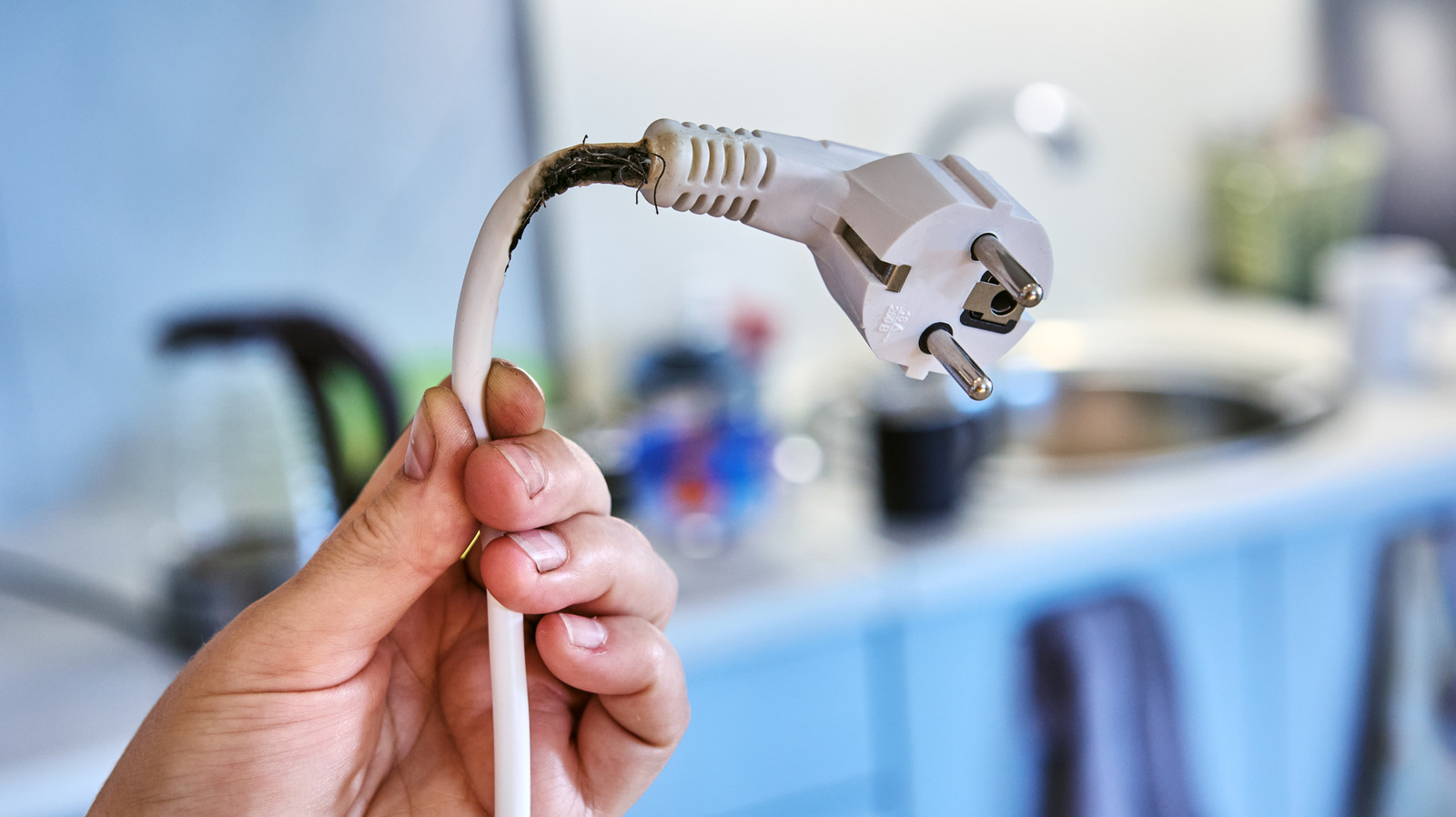
Your circuit breaker is not a universal guardian angel for all things plugged into the wall. Extension cords are available in various wire gauges, lengths and current ratings and the cord must be able to support whatever you are plugging into it.
This is important because a laptop charger and a space heater place very different loads on a cord. Extension cords can overheat and cause fires, so the U.S. Fire Administration recommends that major appliances be plugged directly into wall outlets. Its guidance for portable heaters is even easier: Never use an extension cord or power strip. Plugging a power strip into a smart plug can create a separate overload risk, too.
Cord daisy-chaining isn't a neat trick, either. ESFI also recommends against daisy-chaining extension cords, and placing one under a rug or running it through a doorway creates another opportunity for heat buildup or damage.
These failures aren't purely theoretical. Loudoun County Fire and Rescue attributed a July 2026 house fire in Virginia to the electrical failure of an extension cord. Five occupants were displaced. The release didn't specify what was plugged into the cord or how long it had been in use, so the incident does not indicate that leaving a cord unused and plugged in was the cause.
The practical rule is less dramatic: Check the cord's rating, replace damaged cords and unplug temporary setups when you're finished with them. ESFI lists 25- to 50-foot 16-gauge cords for 1 to 13 amps, 14-gauge cords for 14 to 15 amps and 12- or 10-gauge cords for 16 to 20 amps.