'Our humble goal is to survive the AI revolution' says Epic Games CEO, as its Star Wars and Marvel crossover pivots to 'AI first' development
Art will be "generated with full AI workflows".
También la publican VGC
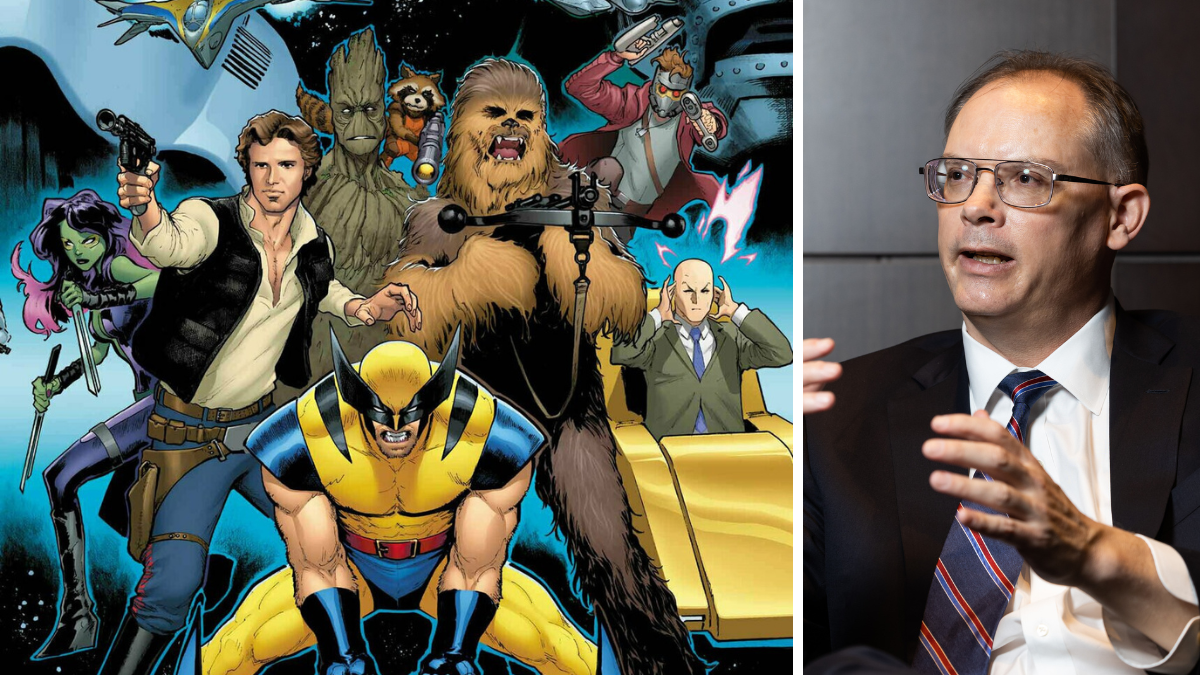
An unannounced Star Wars and Marvel shooter in the works at Epic Games has been delayed, and its creators instructed to take an "AI first" approach to development. Staff were advised of the pivot last week, according to a Bloomberg report, with the project delayed indefinitely from its (unannounced) March 2027 release.
That "AI first" approach seems pretty comprehensive: the instructions per Bloomberg are to "implement an 'AI first' production model using tools such as Anthropic's Claude". Art will be "generated with full AI workflows", according to the same set of instructions.
Shortly after Bloomberg's report was published, Epic Games CEO Tim Sweeney took to X to share his own thoughts:
Epic Games laid off over 1,000 employees in March, citing the decline in console sales, Epic's ongoing legal disputes with Apple and Google, and difficulty in delivering "consistent Fortnite magic with every season".
Let's be honest: a Marvel and Star Wars crossover shooter made by Epic Games, predominantly utilising generative AI and AI workflows, will be a pretty fascinating experiment to behold. It's such a rich intersection of exhaustingly ubiquitous pop culture touchstones that there's every possibility its AI origins will be less detectable than they might otherwise be.
Because AI slop already mostly looks like Fortnite, Star Wars and Marvel. Add Pixar (which Fortnite looks like), and you basically have slop Mount Rushmore. This is the abyss staring back into the abyss.
Sweeney's quote about audiences wishing they were still in 2016 is telling. The AI industry loves to frame uptake of the technology as an inevitability that detractors / luddites will just need to cope with, or at least, they do when they're not loudly worrying that the technology might kill us .
Still, terrible things that no one likes do have a way of bleeding inescapably into our everyday lives. Tech companies own platforms best equipped to make us tolerate things we innately abhor. People hated Facebook's rollout of "likes"—now most of us "like" things with our mouths firmly closed. People hated it when social media feeds stopped being feeds, so that, for example, weird videos about putting various objects through meat grinders are now mainstream. The transformation from "way to catch up with friends" into "ruinously addictive habit" wasn't appreciated, but it's the norm now anyway.
In other words, the tech industry knows that it doesn't matter whether you like it or not: you'll get what you're given.