What happens to an EV battery after it's removed from your car?
EV batteries don't last forever, and once they get past the point of repair, there are a few ways that they can still serve a useful purpose.
No other outlet followed by Zonactu reports this story yet.
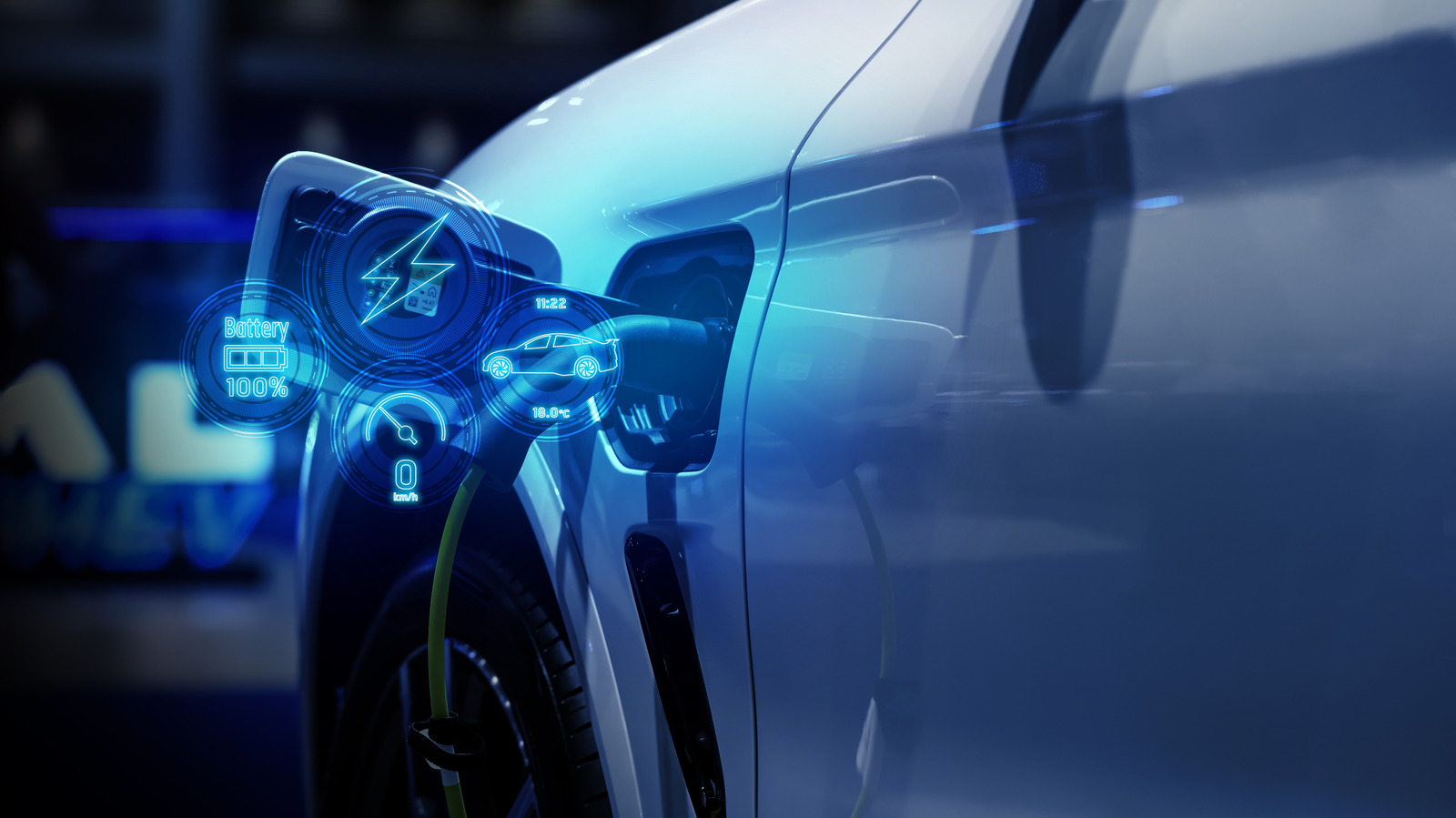
An EV battery's life is far from over once it leaves a car. When the owner is done with the vehicle, for whatever reason, there are varying degrees of battery health and usefulness to consider. It may not be able to supply the original range any longer, may have developed a fault or it could have been damaged in a crash. But even if a car owner decides it's time to replace their EV battery , the battery still has more to offer, and specialists (usually called EV battery diagnosticians or technicians) will inspect, test and determine what comes next in the battery's lifecycle.
Occasionally, repair is possible. An EV battery pack contains several individual cells, typically grouped in modules. Depending on the design, a tech may be able to replace a module or component, instead of tossing the entire thing into the recycling or repurposing pile. A safe and reliable used EV battery can potentially be reused in a compatible vehicle. However, it doesn't always work out that way because some EV packs are really difficult to repair, especially if the vehicle was in a particularly nasty accident, the kind that results in a total loss.
For the most part, an EV battery will enter a repair or reuse operation post-removal. Its condition will determine its future, whether it becomes stationary energy storage or goes to a recycler. There's no singular answer here, only a list of possibilities, depending on the battery's status.