Nobel week: light-controlled brains, particles from outer space and mirror molecules
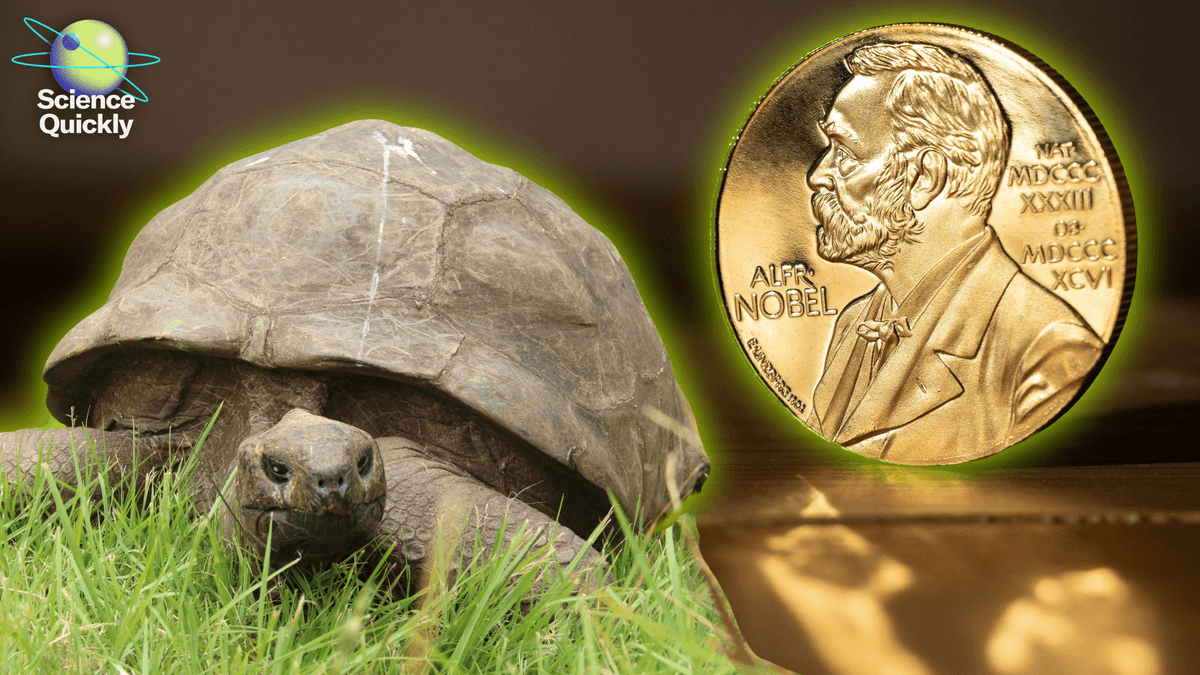
Breaking down this year’s Nobel Prize–winning science, from switching brain cells on and off with light to catching cosmic neutrinos in Antarctic ice to building mirror-image molecules. Plus, a 194-year-old tortoise’s DNA might hold the key to a longer life.
No other outlet followed by Zonactu reports this story yet.
Rachel Feltman: Happy Monday, listeners! For Scientific American ’s Science Quickly , I’m Rachel Feltman. You’re listening to our weekly science news roundup.
Some of the biggest stories in science last week were the announcement of the Nobel Prize awards in Chemistry, Physics, and Physiology or Medicine. So we’re going to focus on those groundbreaking research topics today—with a fun little animal story at the end to send us off, of course.